
Ever get that nagging feeling you’re missing somethin’ when trying to track your crypto transactions? Yeah, me too. Especially on Solana, where things move super fast, keeping tabs on every stake, swap, or yield farming move can feel like chasing fireflies on a summer night. Seriously, it’s not always straightforward. Your transaction history isn’t just a list; it’s a story of your crypto journey, with ups, downs, and some detours you didn’t expect.
Now, if you’re deep in the Solana ecosystem, you probably already know that having a reliable wallet that can handle staking and DeFi seamlessly is very very important. Oh, and by the way, I’ve been messing around with solflare recently, and it’s got some neat features that might just make your life easier. But hold on—let me walk you through why transaction history, yield farming, and integrating hardware wallets can be a bit trickier than they seem.
Here’s the thing. At first glance, transaction history looks like a simple log—date, amount, action. But as you dig deeper, you realize it’s a tangled web. For instance, when yield farming on Solana, you’re constantly moving tokens around, staking, unstaking, harvesting rewards, and sometimes swapping pairs. Each action generates multiple transactions, and not all wallets display these in a user-friendly way. This is where many users hit a wall and start feeling lost.
Whoa! Tracking every move can get overwhelming fast. You might wonder: “Did I actually get those rewards? Or did I mess up somewhere?” My instinct said I needed a better tool to visualize all this data. Something that doesn’t just dump raw transaction hashes but tells a story—one that even my less technical friends could follow.
So, I started experimenting with different wallets and tools, including hardware wallets. Initially, I thought hardware wallets were just for cold storage—keep your coins safe offline, done. But wait—let me rephrase that… some hardware wallets now integrate pretty well with staking and DeFi applications on Solana. This really changed the game for me.
Transaction History: More Than Meets the Eye
Okay, so check this out—transaction history on Solana is stored on-chain, transparent and all. But the problem is, not every wallet or block explorer presents it in a digestible way. Some show raw transfers, others mix in smart contract calls, and many fail to clarify what each transaction actually means for your portfolio. This part bugs me because you really want to know the story behind every token movement.
For example, when you stake SOL tokens, you don’t just lock them away. You might delegate to a validator, and there’s a separate transaction logging that delegation. Then, your rewards accumulate, possibly claimable through another transaction. If you’re yield farming, it gets even more complex because you’re interacting with liquidity pools, farming contracts, and swapping tokens—all generating multiple entries.
Something felt off about many wallets’ transaction logs—they were either too cryptic or cluttered. Solflare, on the other hand, tries to simplify this by grouping related transactions, so you don’t have to guess what’s what. Plus, it offers detailed breakdowns of your staking and farming activities without overwhelming you with raw data.
On one hand, you want full transparency. Though actually, too much raw info can be paralyzing for casual users. The sweet spot is a wallet that balances detail with clarity. Solflare, in my experience, nails that balance better than most.
Really? Yeah, and here’s more. The wallet even supports exporting your transaction history for tax and record-keeping purposes. For US users, where tax authorities are getting serious about crypto reporting, this is a very very important feature. I know this because I’ve wrestled with IRS forms that require detailed transaction reports, and manually pulling that info from block explorers is a nightmare.
Yield Farming on Solana: The Wild West Tamed
Yield farming always sounds like a dream—earn passive income while your crypto works for you. But man, it’s a rollercoaster. On Solana, yield farming protocols are evolving rapidly, and new pools pop up every day. I jumped into a few, chasing high APYs, only to realize tracking my returns was a full-time job.
What surprised me was how yield farming activities generate a flurry of transactions that can make your wallet’s history look like a chaotic mess. For instance, your initial deposit into a liquidity pool shows up, but so do tiny internal swaps, reward claims, and sometimes protocol fees. If your wallet can’t clearly annotate these, you’re left guessing whether you actually profited.
At first, I thought I might just ignore the transaction history and focus on the dashboard metrics. But then I caught a discrepancy where my claimed rewards didn’t match the expected numbers. Hmm… that got me digging deeper—turns out, some rewards were auto-compounded, and others were pending claim.
This led me to appreciate wallets that actively integrate with these DeFi protocols to parse out these activities. Solflare again stood out because it doesn’t just show raw transactions; it contextualizes your yield farming moves, helping you understand which pools are performing and how your rewards accumulate over time.
Something else worth mentioning—yield farming on Solana is significantly cheaper in fees compared to Ethereum, but that doesn’t mean you can be sloppy. I learned the hard way that even small fees eat into those yields, especially if you’re making frequent transactions. So having a wallet that tracks your net earnings including fees is a lifesaver.
Hardware Wallet Integration: Security Meets Usability
Alright, I’ll be honest—hardware wallets used to intimidate me. They seemed like this high-security fortress, but also kind of a pain to use daily. But as my portfolio grew, the idea of holding private keys only in software wallets felt risky. That’s when I started exploring hardware wallet integration with Solana wallets.
Integrating a hardware wallet with your staking and DeFi activities isn’t as straightforward as it sounds. The main challenge is balancing security and convenience. You want the peace of mind that your keys are offline, but also need to interact with smart contracts frequently. Initially, I thought you had to sacrifice one for the other.
Actually, wait—let me rephrase that. Some wallets like solflare have bridged this gap quite well by supporting hardware wallets through browser extensions or desktop apps. This means you can sign transactions securely while still participating in staking or yield farming without exposing your keys online.
On one hand, this setup adds a slight extra step to every transaction, which can slow you down if you’re used to click-and-go. But on the other hand, knowing your funds are protected against hacks or malware gives you serious peace of mind. Personally, I’m biased towards security, even if it means a tiny bit more friction.
Something I noticed, though, is that not all hardware wallets support the full range of Solana DeFi protocols yet. So it’s very very important to check compatibility before committing. Otherwise, you could end up with a wallet that locks you out of some yield farming contracts or staking features.
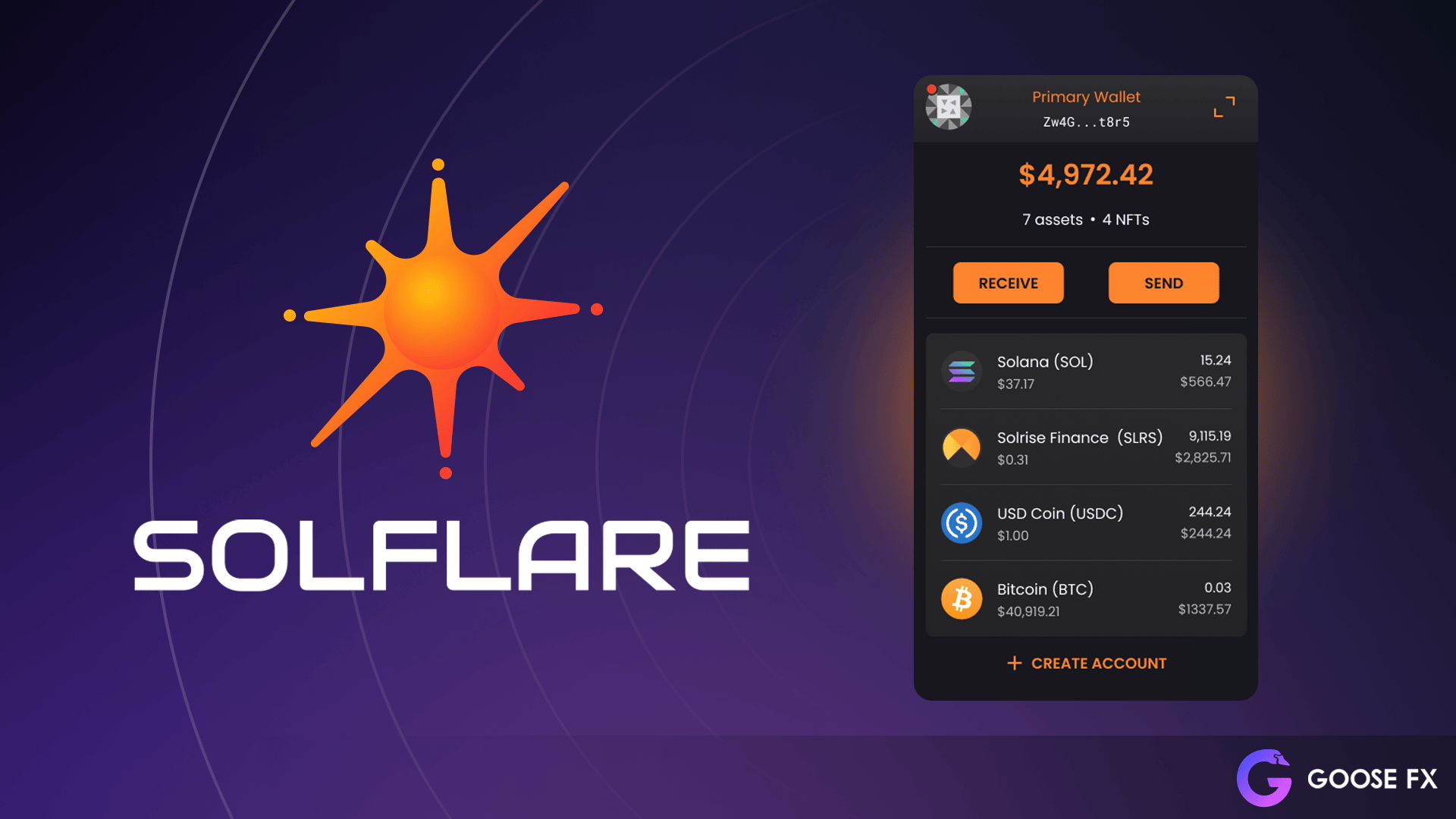
Check this out—this screenshot from my Solflare wallet shows how it neatly summarizes yield farming pools, your staking positions, and links to your transaction history all in one place. Integrating hardware wallet support makes signing those transactions feel safer without adding too much hassle.
One thing I’m still curious about is how future updates will improve this integration. DeFi is moving so fast, and wallets have to keep up without compromising security. Will hardware wallets become more seamless for everyday DeFi? Or will we always have to accept some trade-offs?
Anyway, if you’re in the Solana space and want a wallet that balances transaction clarity, yield farming features, and hardware wallet security, I’d definitely recommend giving solflare a try. It’s not perfect—no wallet is—but it’s one of the better blends I’ve found so far.
So, circling back to where we started, transaction histories aren’t just dry logs—they’re the footprints of your crypto adventures. Yield farming rewards can be sweet, but without good tools, tracking them can drive you nuts. Hardware wallets add a layer of security that’s worth the minor inconvenience. And through it all, having a wallet that respects your need for clarity and control makes a big difference.
Honestly, I’m still learning and adapting as Solana’s ecosystem grows. But one thing’s clear: the right wallet can turn chaos into confidence. And that’s what I’m after.